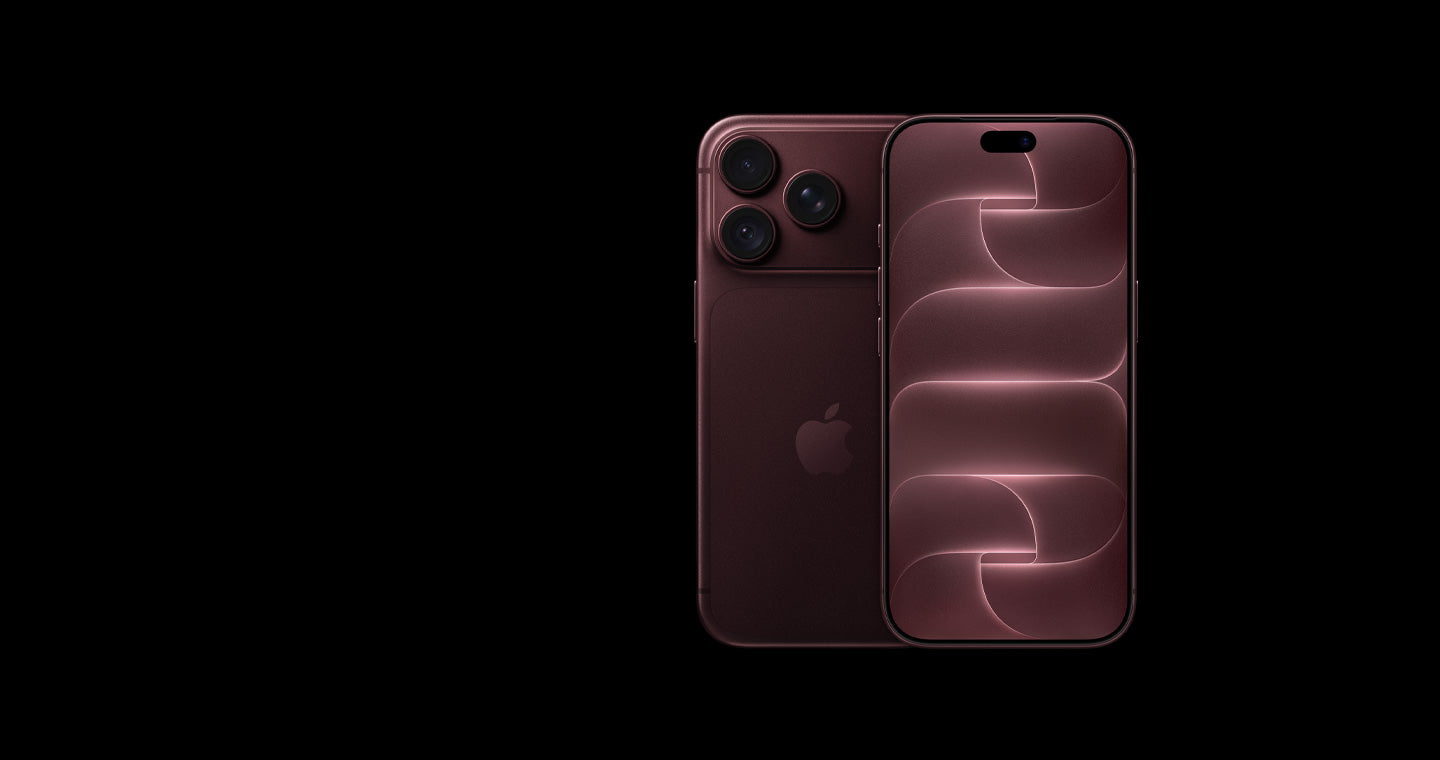
Buying a Pro iPhone can turn into a contest between numbers very quickly. It does not have to. The more useful approach is to look at the parts of your current phone that get in your way, then see whether this one addresses them. Here is how the iPhone 18 Pro’s camera, performance, display choices and battery claims fit into that decision.
A camera that adapts to the light
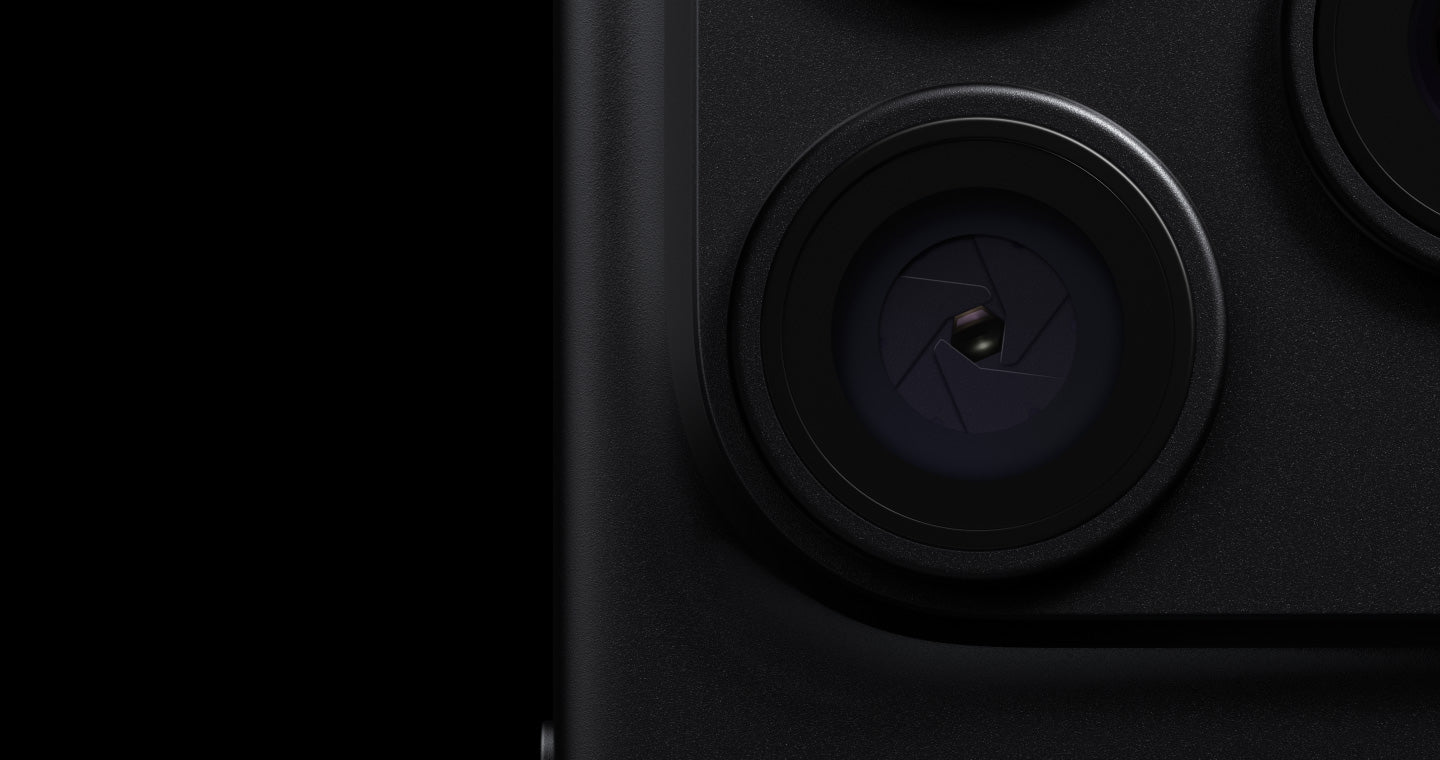
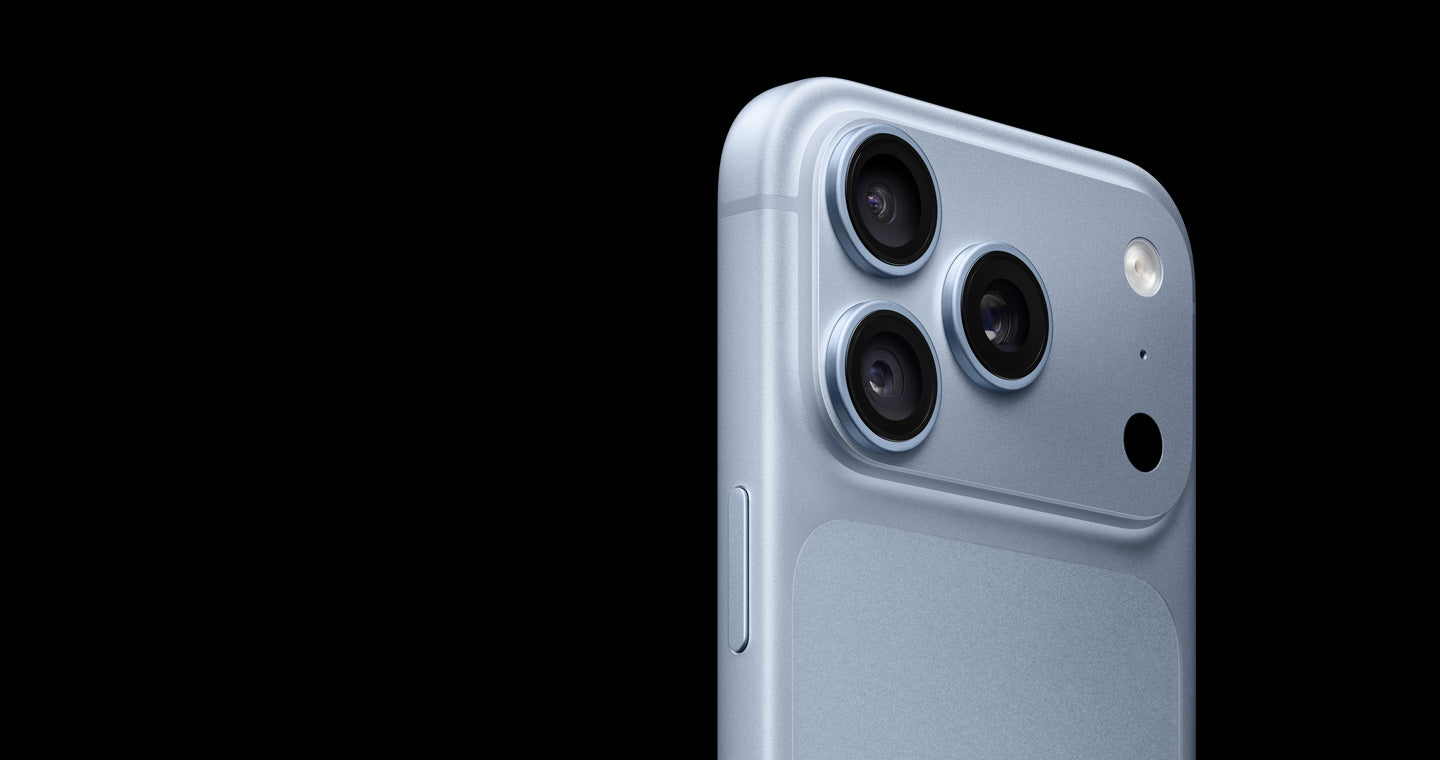
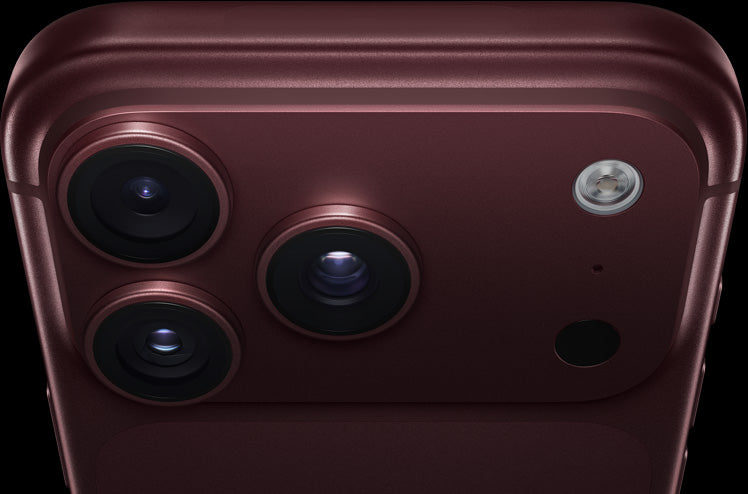
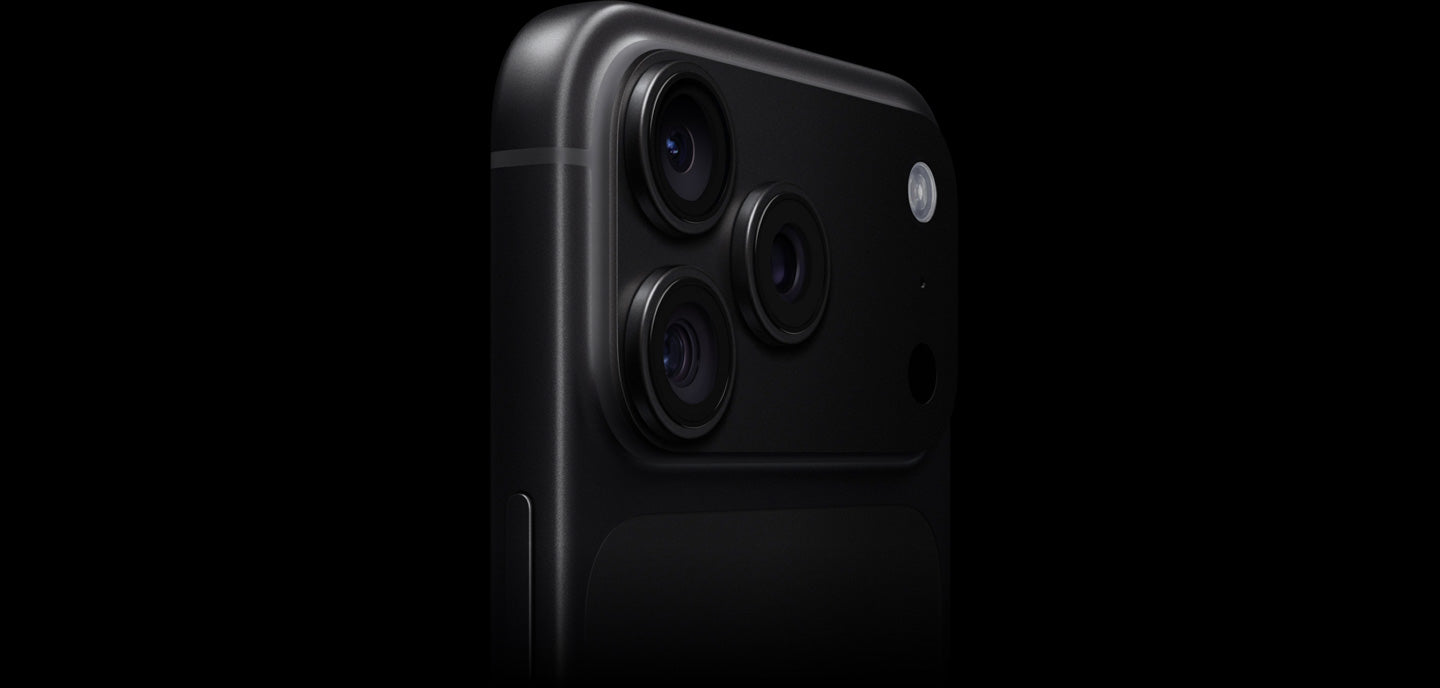
Apple’s 48MP Fusion Main camera has a variable aperture, adjusting for light and depth of field. All three rear cameras are 48MP. Apple describes its maximum 8x zoom as optical-quality; that is different from an 8x native optical lens.
Think about the photos you wish your current phone handled better. It might be a family dinner in uneven light, a pet that refuses to sit still, or a building you cannot get close enough to frame. Those are useful starting points for judging a camera upgrade. A specification tells you what is available; the pictures you want to take tell you whether it matters to you.
A20 Pro, with room to keep cool
The A20 Pro chip works with a next-generation vapor chamber. For anyone considering an upgrade, the useful question is how the phone handles the apps they actually use. This is a specification-based overview, not our own performance benchmark.
A faster chip is easy to put on a comparison chart. Deciding whether you need it takes a little more honesty. If your current phone slows you down when you edit a video or switch between demanding apps, performance belongs near the top of your list. If your day is mostly messages, maps and a few photos, you may care more about the size of the phone than the name of its processor.
Two sizes. One display decision.
The Pro has a 6.3-inch OLED display; Pro Max moves to 6.9 inches. Both support adaptive ProMotion refresh rates up to 120Hz. Start with how much screen you want to carry: the larger model is a size choice as well as a name change.
Try to picture an ordinary day with each size. Would you rather have more room for subtitles and a photo edit, or a phone that takes up less space in your hand and pocket? Neither preference needs defending. If you can, hold both sizes before deciding, and think about the case you plan to use too. A phone should feel right between the exciting moments, when you are simply carrying it around.
Read the battery number carefully
Apple rates video playback at up to 36 hours on Pro and 45 hours on Pro Max under its test conditions. These are video-playback ceilings, not a promise of that many hours of mixed everyday use. Settings, connectivity and workload affect results.
Your charging routine is a better reference than somebody else’s screen-time screenshot. Do you spend the day near a desk, travel between appointments, or regularly reach the evening looking for a cable? Start there. The larger battery claim may be valuable if charging opportunities are scarce, but it should be weighed against carrying the larger phone every day. There is no need to buy more phone than you enjoy using.
What matters for your next upgrade.
Look beyond the headline zoom number. Size, storage and the kinds of photos you actually take are better buying questions. This is a specification-based briefing, not a hands-on camera or battery test.
Find at 961SouqSources & image credits
Information checked against the manufacturer’s published details on 16 November 2026. Product photography belongs to Apple, Garmin or Nintendo, as applicable.
Apple — iPhone 18 Pro ↗Apple — technical specifications and test notes ↗